
Fixed setups
-
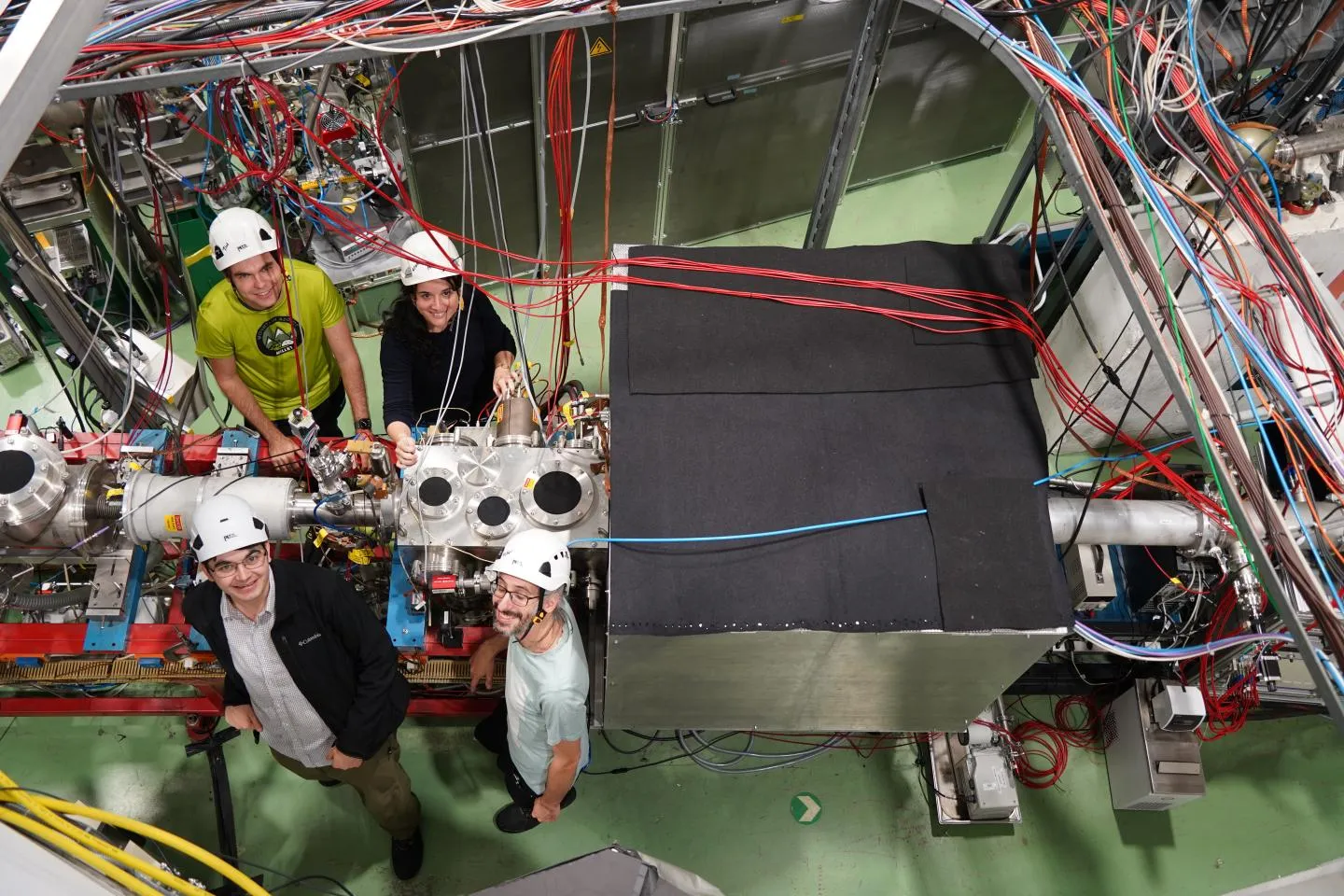
COLLAPS
COLLAPS COLLAPS (COLlinear LAser sPectroScopy) stands at ISOLDE as a pioneering setup in the field of laser spectroscopy. This experiment focus on the measurement of distinctive nuclear properties of short-lived and exotic radioactive nuclei. These properties include nuclear spins, electromagnetic moments, and charge radii, which are extracted through the hyperfine structures and isotope shifts. At…
-
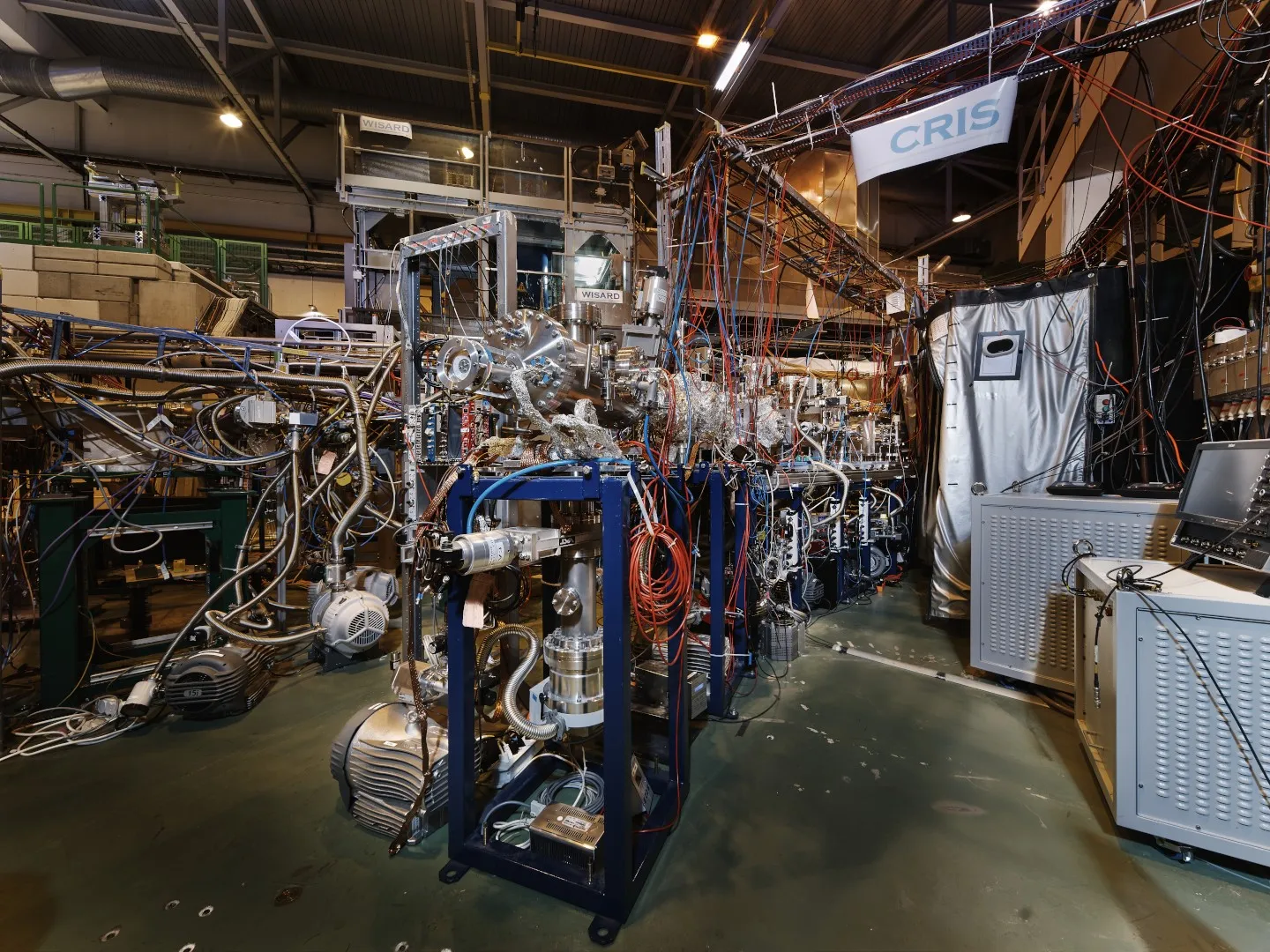
CRIS
CRIS The CRIS (Collinear Resonance Ionization Spectroscopy) experiment at CERN ISOLDE combines the high resolution of collinear laser spectroscopy with the high efficiency and selectivity of resonant ionization. The experiment can be used for research in a variety of disciplines, such as the study of nuclear structures (through measurement of nuclear spins, moments and radii),…
-
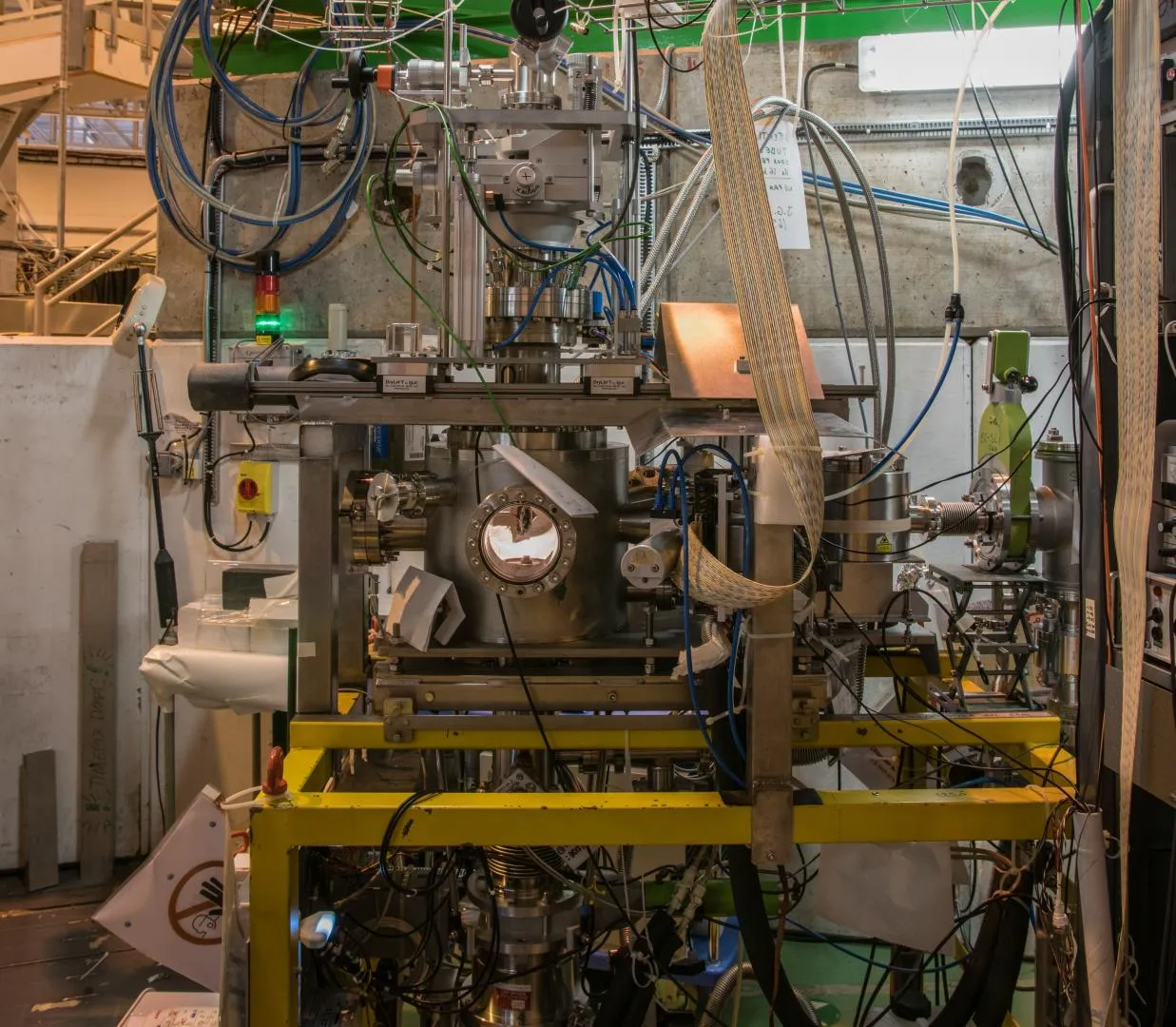
EC-SLI
EC-SLI EC-SLI (Emission Channeling with Short-Lived Isotopes) is an experiment at ISOLDE dedicated to studying the lattice location of dopants and impurities in single crystals and epitaxial thin films. The main fields of work currently include semiconductor doping for applications in electronics and colour centers in diamond and related materials for quantum technologies, among others.…
-
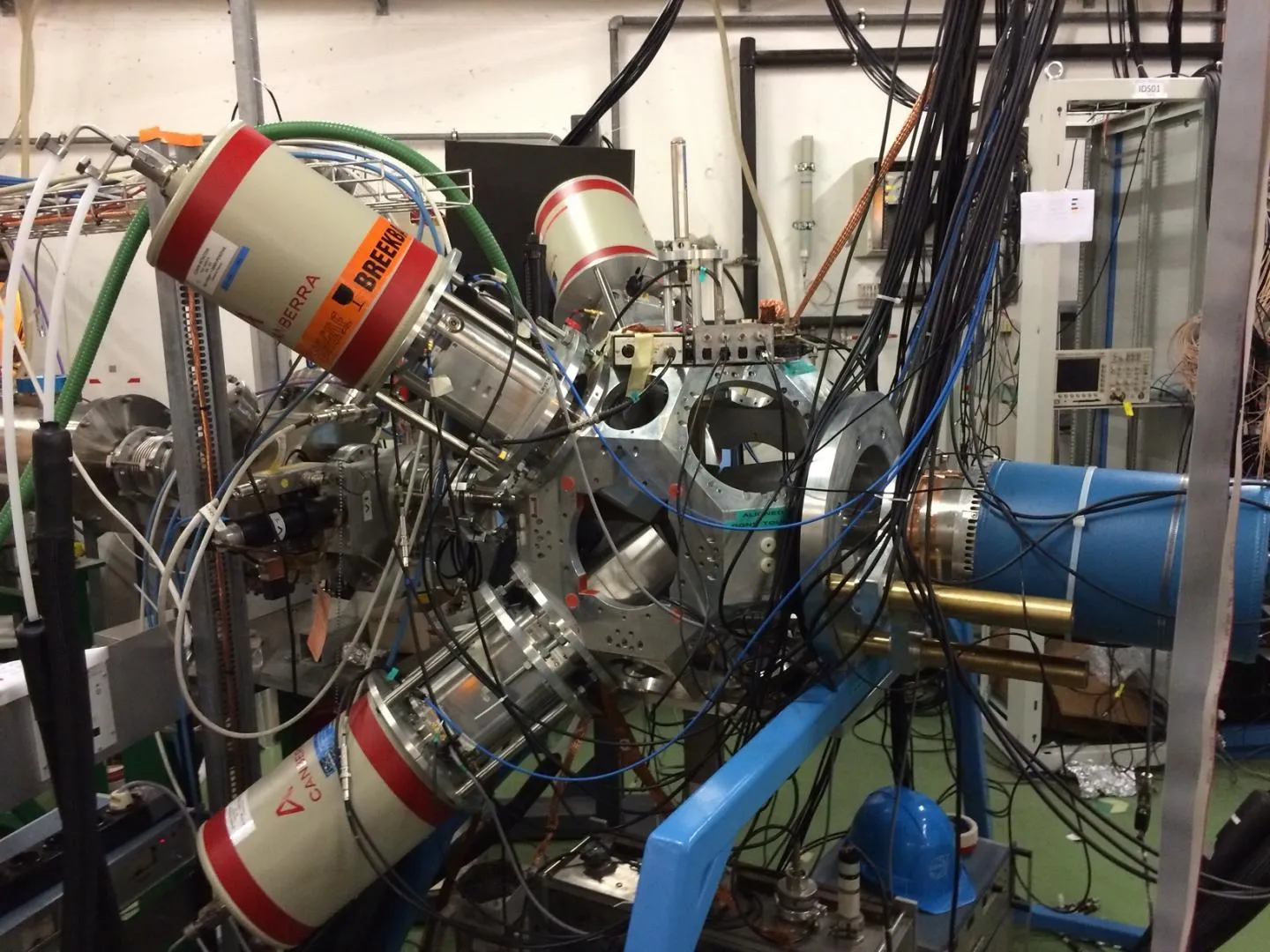
ISOLDE Decay Station (IDS)
ISOLDE Decay Station (IDS) The ISOLDE Decay Station (IDS) is a permanent experiment at the ISOLDE facility dedicated to the decay properties of radioactive species of importance for nuclear structure, nuclear engineering and astrophysics. A variety of experimental systems can be coupled to the station for specialised decay studies, such as fast timing measurements of…
-
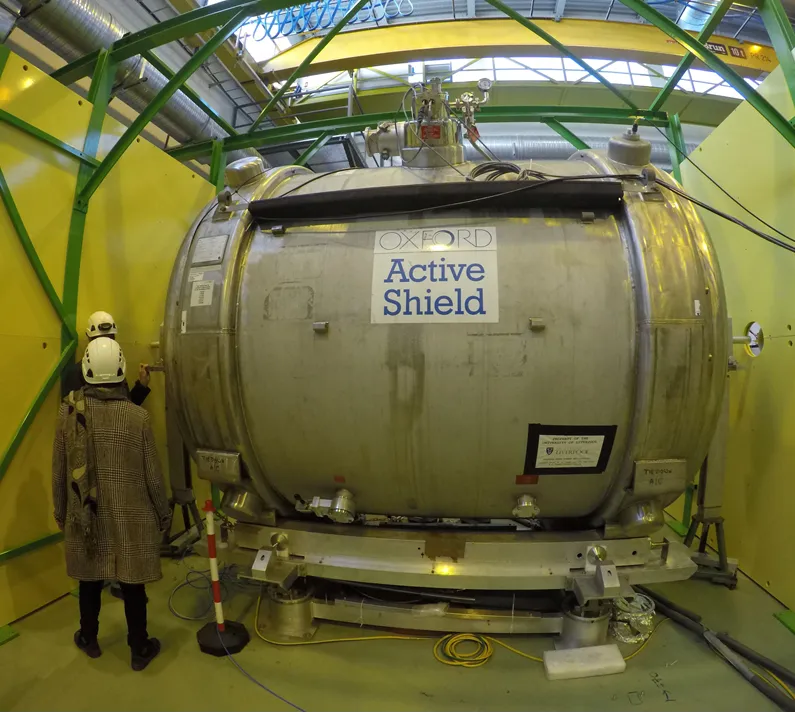
ISOLDE Solenoidal Spectrometer (ISS)
ISOLDE Solenoidal Spectrometer (ISS) The ISOLDE Solenoidal Spectrometer (ISS) is used for precision studies of inelastic scattering and transfer reactions utilising the radioactive ion beams created in HIE-ISOLDE. The ISS is delivering a broad science programme addressing important topics in nuclear structure and nuclear astrophysics. The ISS has an advanced design that employs the proven…
-
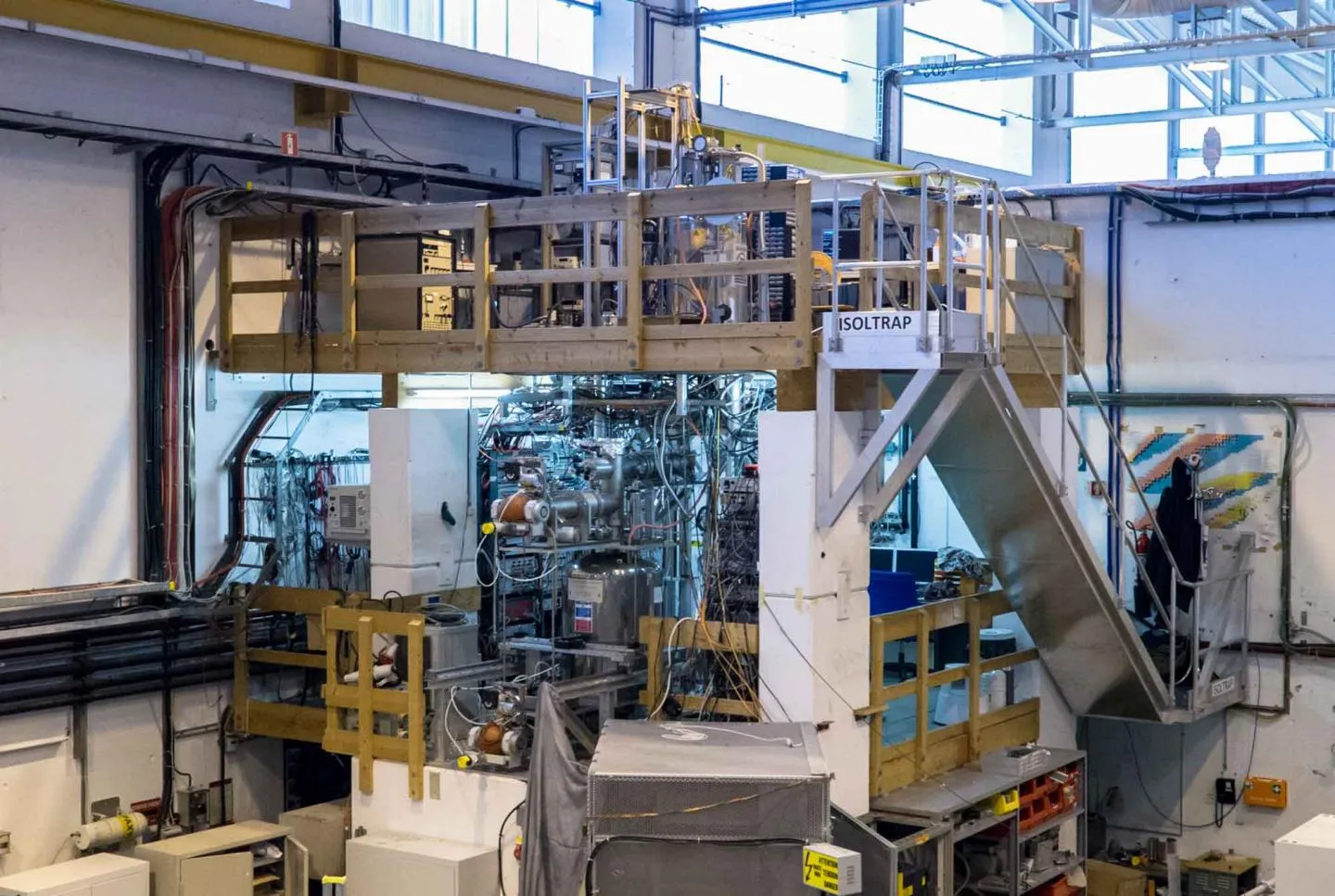
ISOLTRAP
ISOLTRAP The ISOLTRAP experiment performs precision mass measurements on radioactive nuclei produced at ISOLDE employing different types of mass spectrometers and measurement techniques. Following the capture and cooling of the radioactive nuclei in a helium filled radiofrequency quadrupole trap an ion bunch can be studied in a multi reflection time-of-flight mass spectrometer where mass resolving…
-
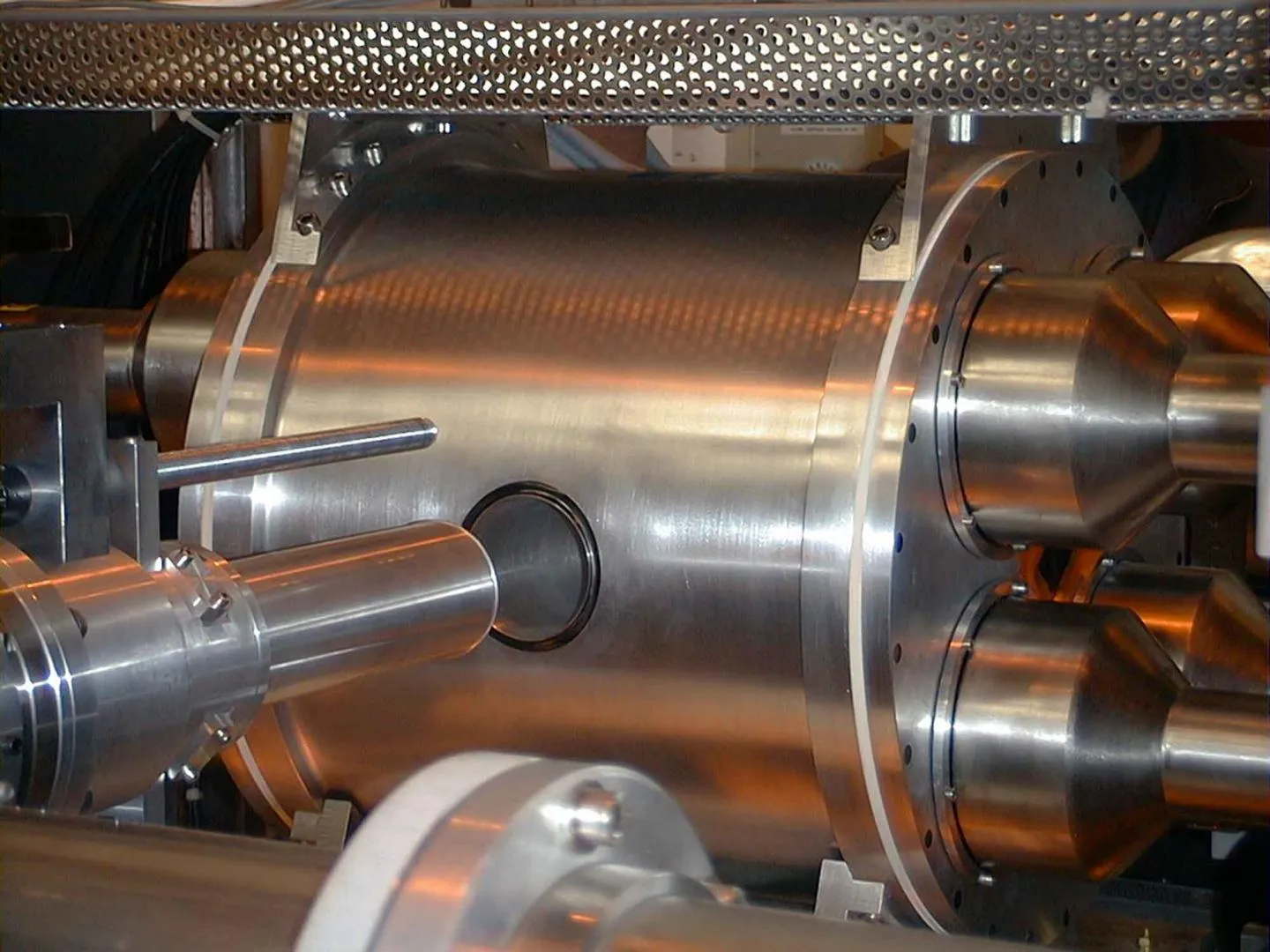
LUCRECIA
LUCRECIA Lucrecia is a Total Absorption gamma Spectrometer (TAS) located at the ISOLDE hall. It has been designed to measure feeding in beta decay through the detection of the gamma cascades following the decay. The b-feeding is one of the main ingredients in the calculation of the b-strength function, and is thus an essential element…
-
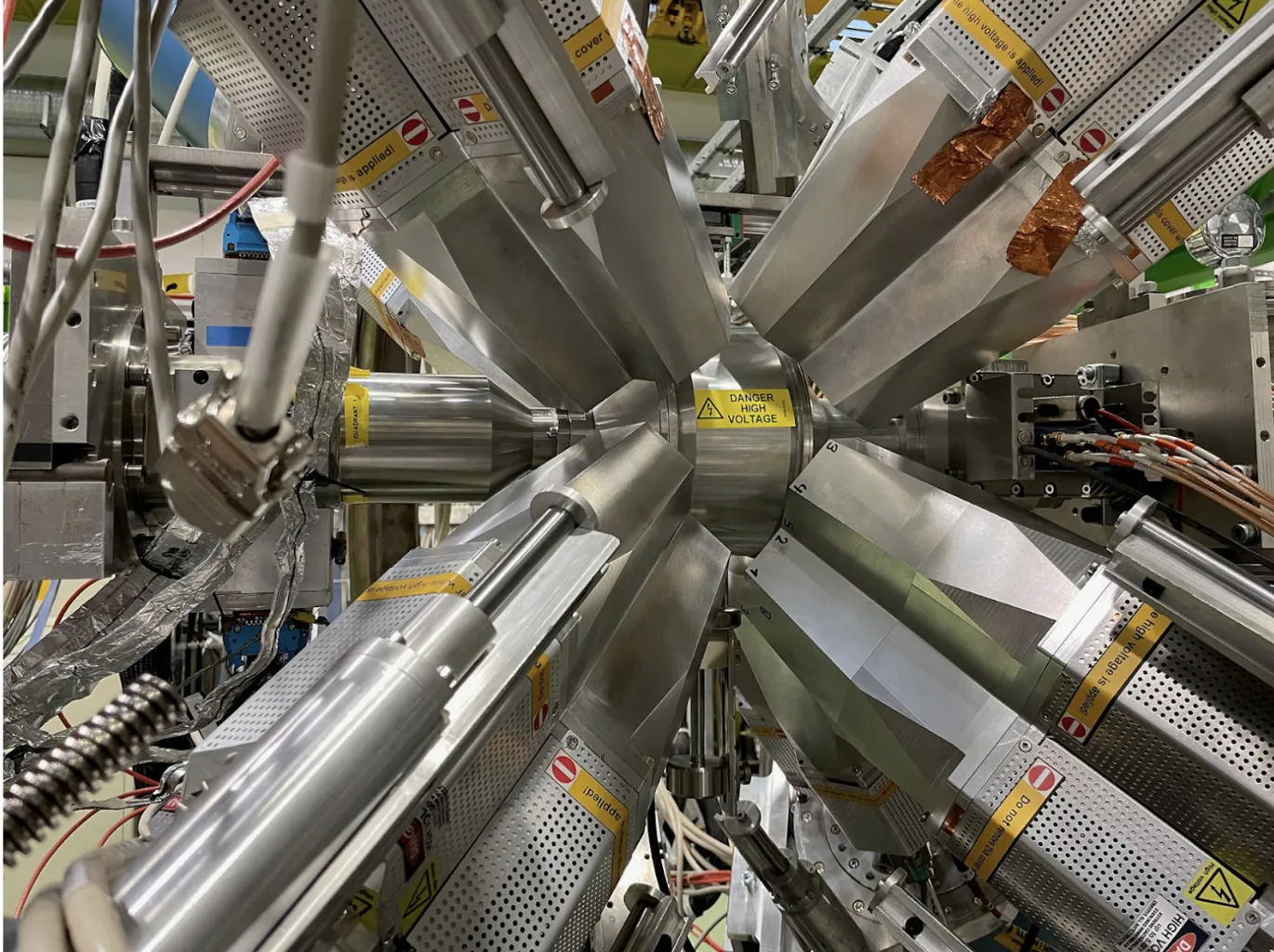
MINIBALL
MINIBALL The high-resolution Miniball germanium detector array has been operational at REX-ISOLDE at CERN for over 20 years. This array consists of 24 six-fold segmented, tapered, encapsulated high-purity germanium crystals and was specially designed for low multiplicity experiments with low-intensity radioactive ion beams (RIB). For work with rare-isotope beams, the multiplicities are low (often only…
-
MIRACLS
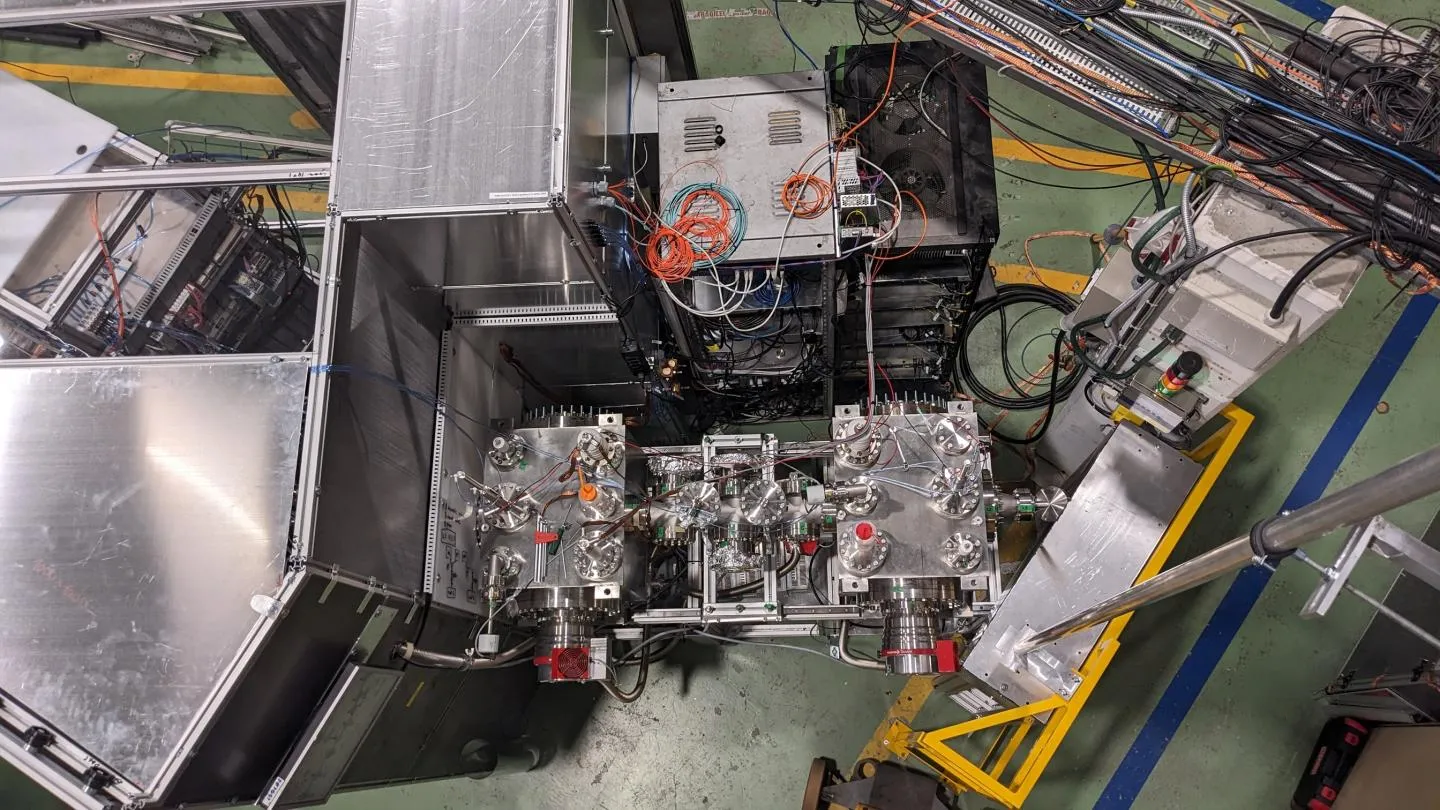
MIRACLS The Multi Ion Reflection Apparatus for Collinear Laser Spectroscopy (MIRACLS) at ISOLDE aims to measure nuclear ground-state properties such as the size, shape and electromagnetic moments of rare radioactive isotopes. These properties are extracted from the measurements of the isotopes’ hyperfine structure using laser spectroscopy. MIRACLS’ goal is to increase the sensitivity of conventional,…
-
SEC
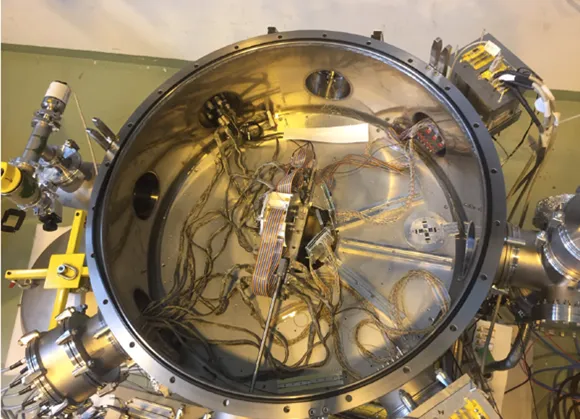
SEC SEC (Scattering Experiments Chamber) at the XT03 Beamline of HIE-ISOLDE is an experimental station to facilitate diversified reaction experiments. The chamber is sufficiently big to accumulate a variety of charge particle detectors as well as scintillator detectors for gamma detection. It is equipped with a rotational disc of 50 cm radius radially graduated and…
-
VITO
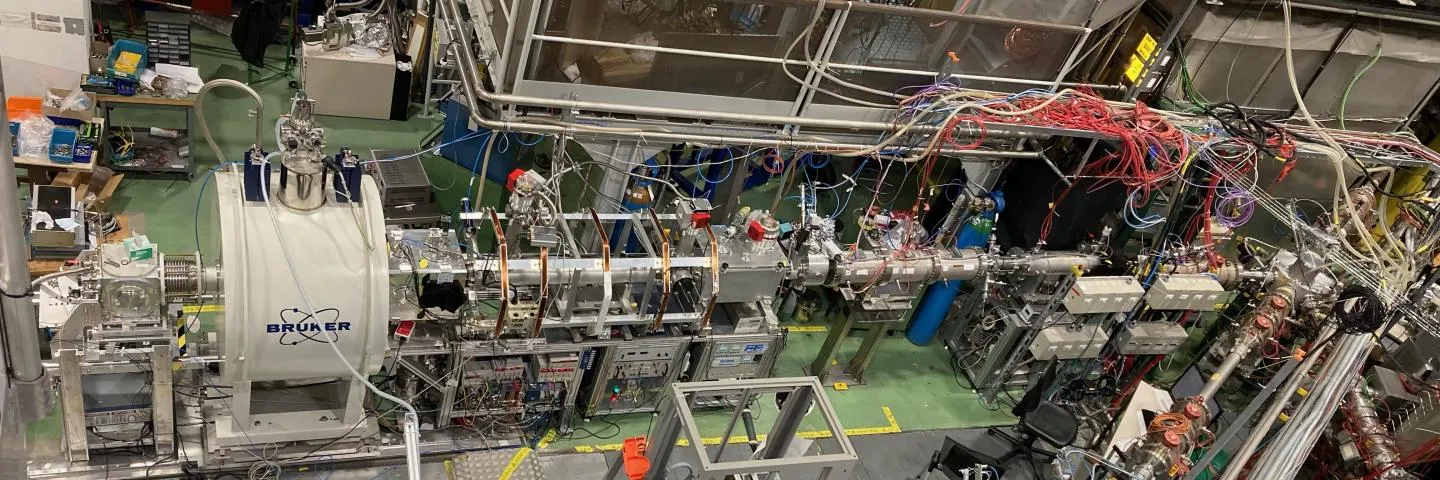
VITO VITO (Versatile Ion polarisation Technique Online) is a permanent beamline at the ISOLDE facility devoted to a wide range of studies with laser-polarised radioactive beams. The setup for laser spin polarisation can be coupled to several end stations. These allow studies of the details of the weak force, properties of short-lived unstable nuclei, their…
-
WISArD
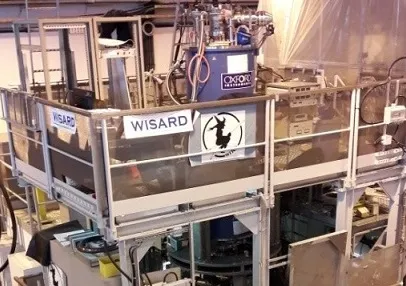
WISArD The WISArD experiment has been set up for the investigation of the weak interaction focussing on the b-n angular correlation coefficient of 32Ar by looking at beta-delayed protons emitted from the daughter nucleus 32Cl. As the protons are emitted from a moving source, the proton energy distribution is thus subject to kinematical broadening and…